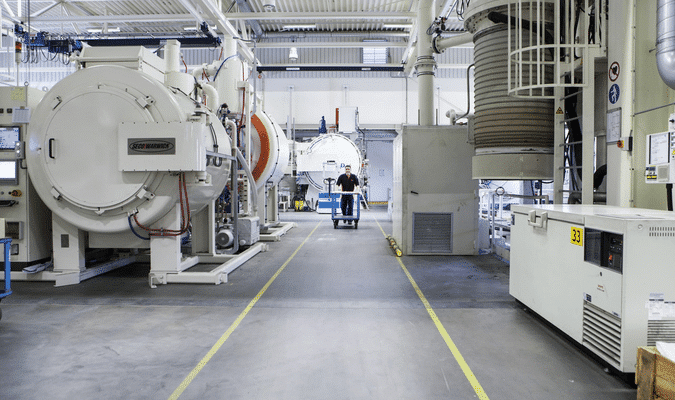
Stainless Steel Hardening: The Ultimate Guide
stainless steel hardening is a crucial process in the world of metallurgy and manufacturing. It involves enhancing the strength and durability of stainless steel, making it a preferred choice for various applications. In this comprehensive guide, we will delve into the intricacies of stainless steel hardening, providing you with valuable insights and tips to understand and implement this process effectively.
Understanding stainless steel hardening Through stainihard.com:
Stainless steel is known for its corrosion resistance and durability, making it a popular choice in industries such as construction, automotive, and aerospace. However, to maximize its performance, stainless steel must undergo a hardening process.
The Basics of Stainless Steel:
Stainless steel is an alloy primarily composed of iron, chromium, and other elements like nickel and molybdenum. Its unique properties, including resistance to corrosion, are due to the presence of chromium.
Why Stainless Steel Needs Hardening:
While stainless steel is naturally resistant to rust and corrosion, it may not always possess the required hardness for specific applications. Hardening stainless steel improves its mechanical properties, making it tougher and more durable.
The stainless steel hardening Process:
stainless steel hardening involves a combination of heating, quenching, and tempering. Here’s a brief overview:
Heating:
The stainless steel is heated to a specific temperature, typically above 1,700°F, in a controlled environment to transform its internal structure.
Quenching:
After heating, the steel is rapidly cooled by immersing it in a quenching medium, such as oil or water. This sudden temperature drop locks in the desired hardness.
Tempering:
Tempering follows quenching, where the steel is reheated to a lower temperature to reduce brittleness and improve toughness.
Benefits of stainless steel hardening According to stainihard.com:
Enhanced Strength:
stainless steel hardening significantly improves its tensile strength, making it suitable for heavy-duty applications.
Extended Lifespan:
Hardened stainless steel exhibits increased resistance to wear and tear, ensuring a longer service life.
Improved Corrosion Resistance:
Even after hardening, stainless steel retains its corrosion resistance, making it ideal for environments with high moisture and chemical exposure.
Applications of Hardened Stainless Steel:
Automotive Industry:
Hardened stainless steel is widely used in the production of engine components, exhaust systems, and chassis parts due to its strength and corrosion resistance.
Aerospace Sector:
Aircraft components, such as landing gear and structural elements, benefit from the hardness and durability of stainless steel.
Conclusion:
In conclusion, stainless steel hardening is a vital process that elevates the performance of this versatile alloy. By understanding the basics and the intricacies of the hardening process, you can make informed decisions when choosing stainless steel for your projects. Whether you’re in the automotive, aerospace, or construction industry, stainless steel hardening can enhance the reliability and longevity of your applications. Make the most of this invaluable tool in metallurgy and manufacturing to ensure top-tier quality and performance.


